The quick version
- Fanal is part of Madeira's laurel forest country on the island's north-west plateau, reached by a mountain road that climbs up from the south coast.
- Til trees grow thick and gnarled in the mist, their branches wrapped in moss and lichen. It is the look photographers travel for.
- Cloud drifts in on the trade winds and softens the whole forest into greys and greens, then lifts and leaves the branches sharp again.
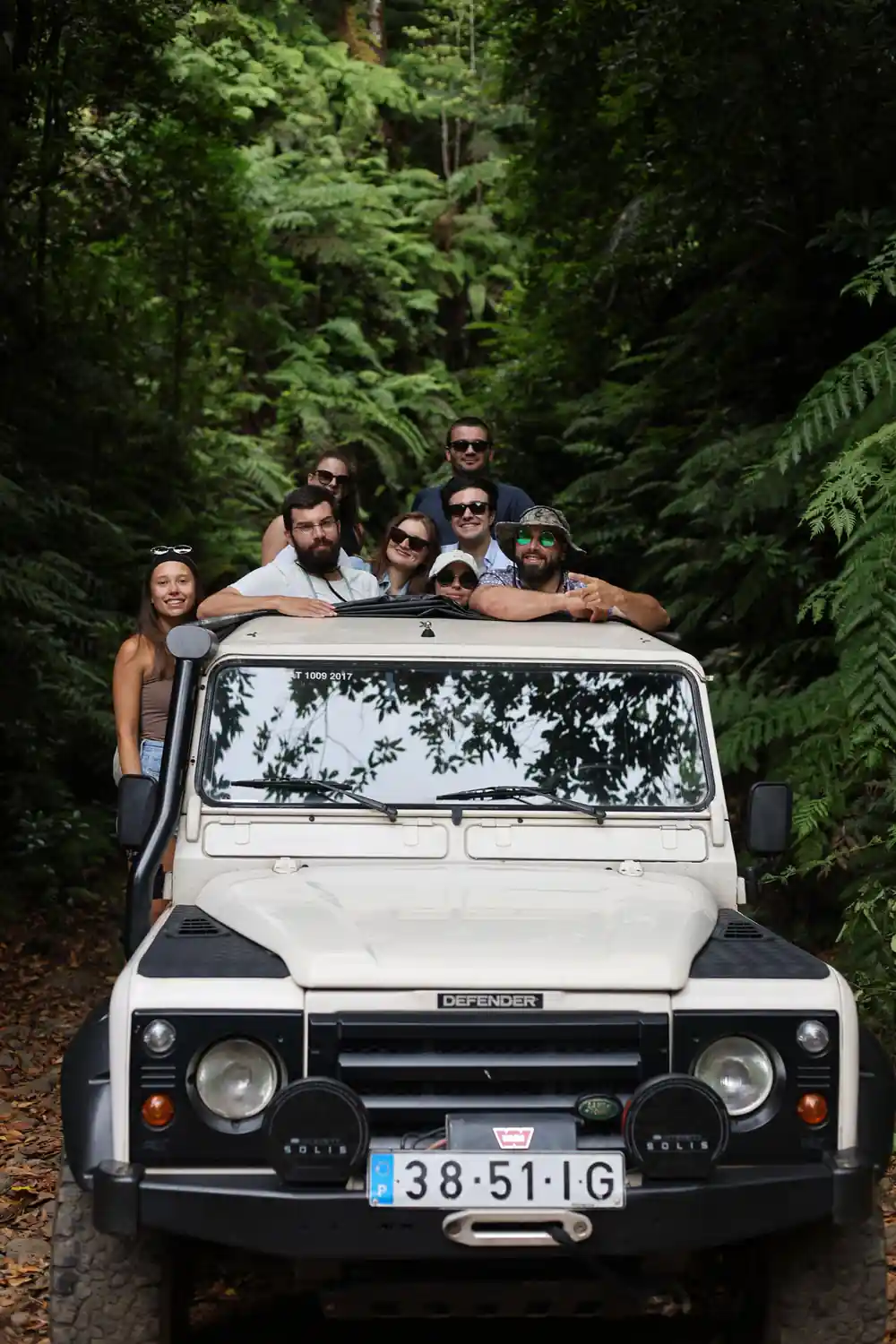
- Guided west Madeira jeep tours link Fanal with the Cabo Girão Skywalk, Seixal and Porto Moniz in one day on the road.
- The Fanal pond mirrors the trees when the water is high, then shrinks to a hollow of mud and flattened grass in dry spells.
- Top choice Skywalk, Seixal & Fanal 4WD from US$79 Duration8 hours[1]Rating4.87 from 9,297 reviews[1]Group sizePrivate or small groups[1]PickupPickup included[1] Check availability
- Enchanted Terraces & Fanal from US$80 Duration8 hours[2]Rating4.78 from 5,647 reviews[2]Group sizePrivate or small groups[2]PickupPickup included[2] See this tour
- Waterfalls & Fanal Forest from US$40 Duration8 hours[3]Rating4.70 from 3,827 reviews[3]Group sizePrivate or small groups[3]PickupPickup included[3] See this tour
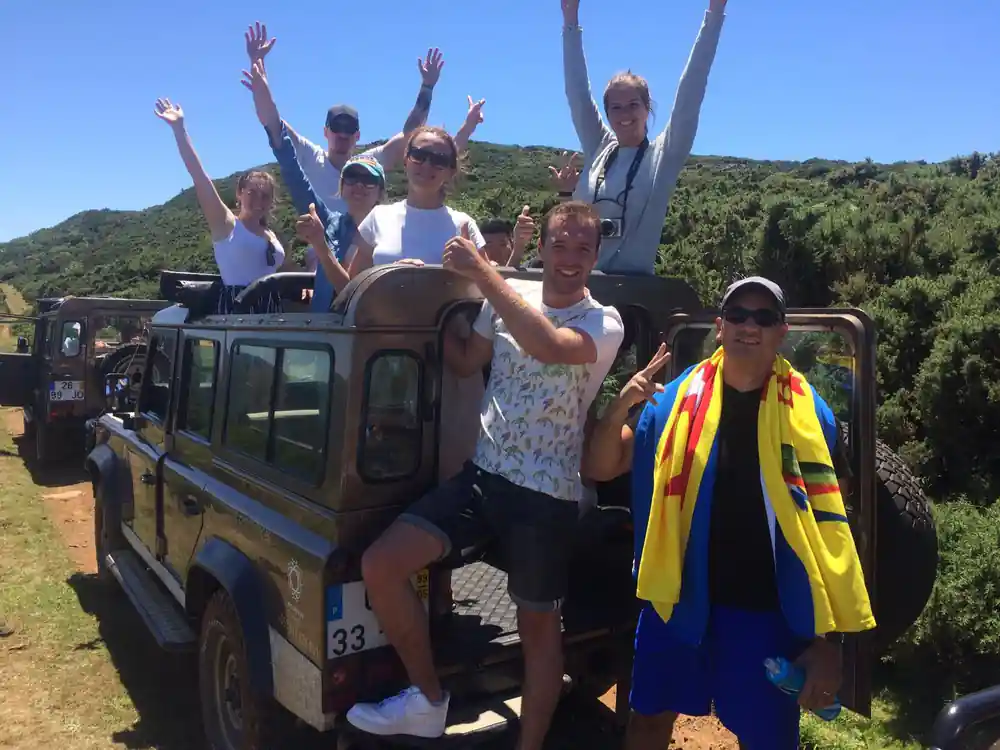
UNESCO World Heritage since 1999, the Laurissilva forest is a unique natural treasure.
Fanal is worth the mountain road
Things to check
- Reserve seats early on small-group jeep departures
- Read the free cancellation terms before you pay
- Ask about pickup if your hotel is away from the listed points
- Tell the operator if anyone in your group is unsteady on rough tracks
In your day pack
- Light rain shell for mist and drizzle
- Warm mid layer, the forest plateau is cooler than the coast
- Sunglasses for the skywalk and the drive between showers
- Carry €2 for the Cabo Girão entry fee, children up to 12 are exempt[4]
Til Trees of Fanal: Ancient Survivors of a Volcanic Island
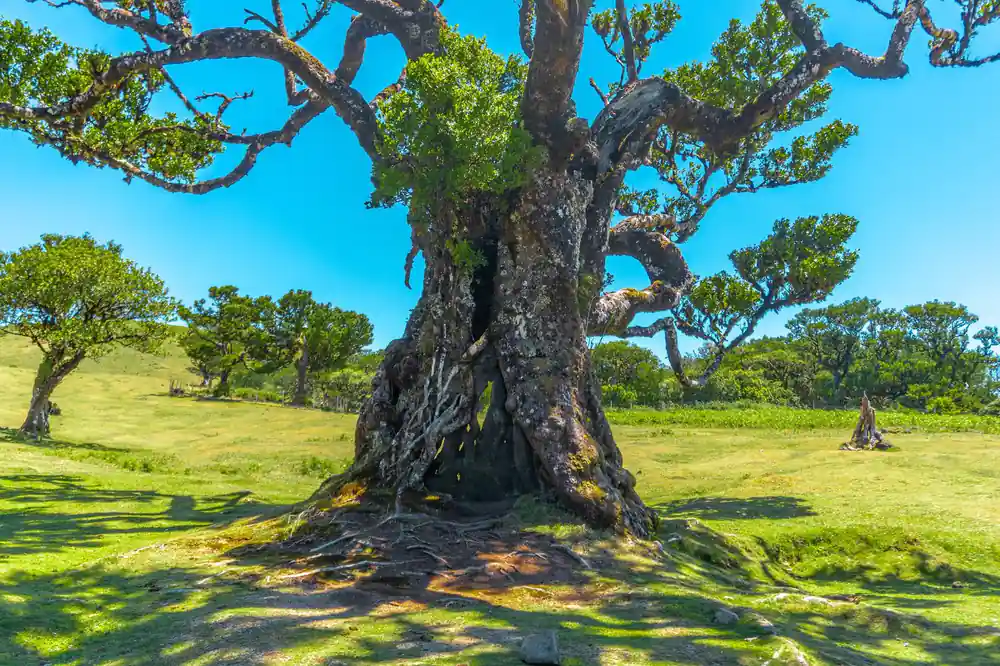
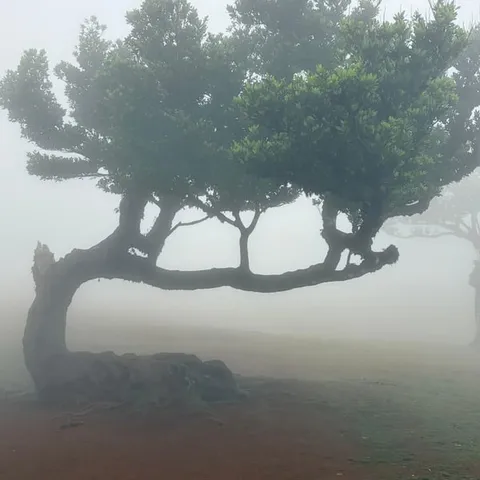
The til trees at Fanal are the reason many travellers put the forest on their list: broad, twisted, low-branched evergreens whose shape comes from wind, salt and cloud. Their trunks lean away from the weather, their bark is furred with moss, lichen and small ferns, and their crowns spread wide rather than tall. In mist they read as dark silhouettes. In sunlight the leaves are a deep, glossy green and the canopy closes overhead until the wood feels like a room. One gnarled giant is known as the Fanal witch tree, and it is the tree photographers go looking for.
Madeira is a volcanic island, and Fanal sits on the high north-west shoulder where the land rolls rather than peaks. The soil is thin and acidic over old basalt, and water collects in the hollows and along the ditches. Cows graze the open pasture around the trees, keeping the grass short and the views open, while stone walls, wooden gates and small tracks mark the edges of working fields. Walk a short way and the landscape changes completely, from open meadow with scattered trees to a closed, dripping wood where the path narrows and the light drops.
Laurissilva: Europe's Prehistoric Forest, Trapped in Time
Madeira's Laurissilva forest has been a UNESCO World Heritage Site since 1999.[5] It is a survivor of the laurel woods that once covered much of southern Europe, and today it clings to the island's wetter, north-facing slopes. Fanal is one of its best-known corners: Visit Madeira presents Fanal as a mystical, century-old forest that visitors are invited to discover.[5] The trees are not especially tall, but they are dense and old, and the canopy closes in so that the path ahead turns green and dim. Nothing here is planted in rows. Everything leans, tangles and grows into everything else.
What makes the forest feel ancient is the scale of small things rather than big ones. Trunks are wider than your arms can reach, ferns stand waist high, and moss soaks up water and holds it long after rain has stopped. The floor is a mat of roots and leaf litter that never fully dries. The canopy filters light rather than blocking it, so even on a bright day the colours under the trees stay muted, green and cool. Bring a waterproof jacket and shoes with grip. The paths and the grass are often soft underfoot, and mud is normal in winter.
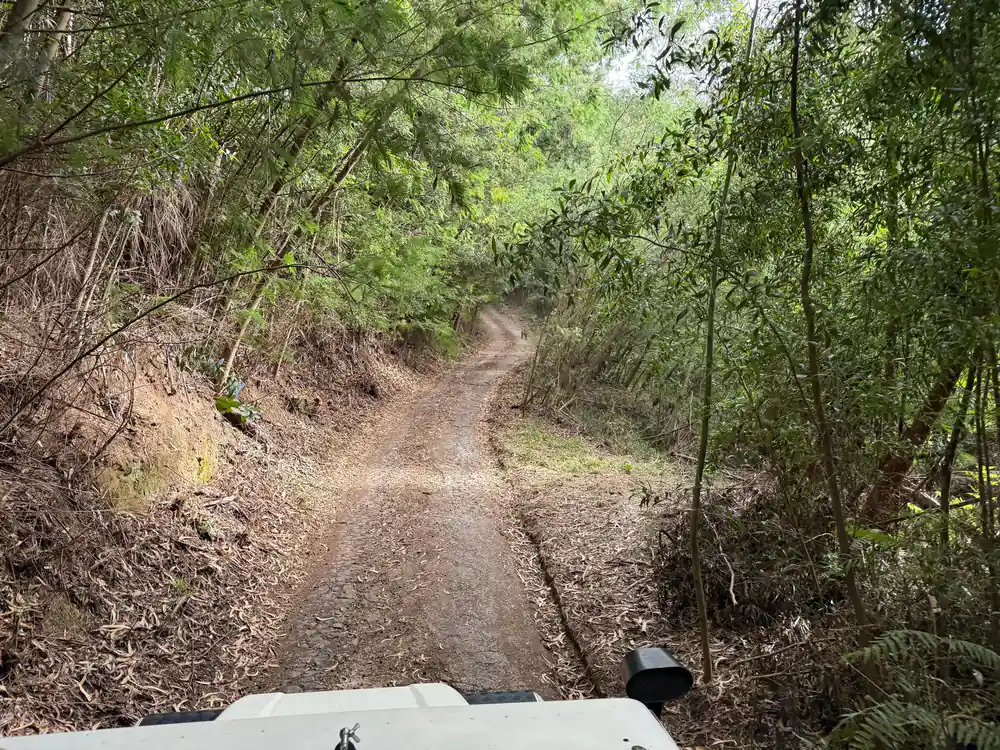
Mist drifting between the til trees on Madeira's north-west plateau
Why the Fog Stays: The Trade Wind Engine
Madeira has a subtropical Mediterranean climate with even temperatures all year round, and an average annual temperature of 20°C (67°F).[6] The north-west plateau lies in the path of the trade winds, which push moist Atlantic air up the slopes. As the air rises it cools, the moisture condenses, and cloud settles on the land. Fanal is high and wet enough to catch that cloud again and again, so the trees stay draped in moss and the light stays soft. The mist is not a rare event here, and it does not lift on request. Plan for it and you will enjoy the day more.
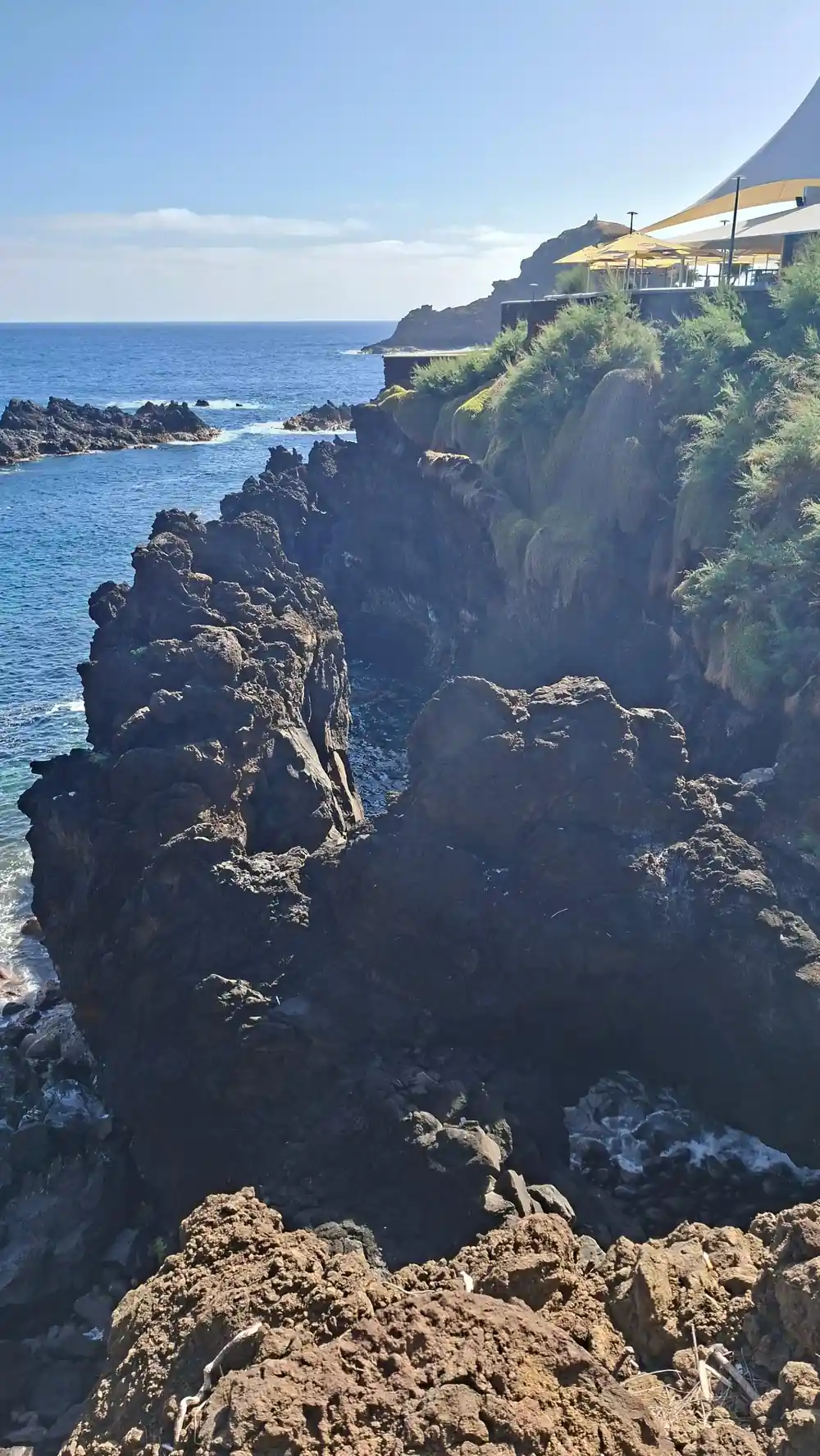
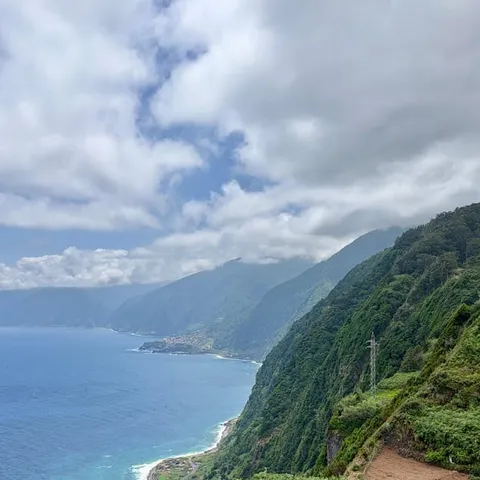
Getting to the forest is part of the day out. From the south coast the road passes Câmara de Lobos and climbs by the Cabo Girão Skywalk, approximately 15 kilometres west of Funchal and 580 metres above the sea.[4][7] The skywalk was completed in October 2012 and is open daily from 08:00 to 20:00, with an entry fee of €2, except for residents and children up to 12 years old.[4][8] A cable car runs down to the Fajã do Cabo Girão beach, a narrow, lush strip of farmland known for the fertility of its soil, and a return trip on the Teleférico do Rancho costs 10 euros.[9][10]
Endemic Flora and Fauna of the Laurel Forest
The forest is a mix of laurel species, and the names you will hear most are til, vinhático, barbusano and folhado. They look similar at a glance, all glossy and dark, but their leaves differ in size and shine, and their timber has been used on the island for centuries. Under them grow ferns, mosses, liverworts and heather in a green tangle that reaches above your knees. Mossy trunks act like sponges, holding water and releasing it slowly, which keeps the air inside the wood damp even when the plateau outside is drying in the sun.
Birds are the easiest wildlife to notice. The Madeira firecrest is a tiny, green-gold bird that flits about in the canopy, and the trocaz pigeon, a dark wood pigeon, feeds on laurel berries and moves between the trees with a heavy, clattering flight. Both are found in these woods, and both are easiest to see and hear in the quiet early hours, before the day's visitors arrive. Lizards sun themselves on warm stones at the edges of the tracks. Keep your voice low and stand still for a minute or two, and the forest fills back up with sound.
from US$79
The Skywalk, Porto Moniz, Seixal and Fanal 4WD Tour runs 8 hours and is rated 4.87 from 9,297 reviews.[1]
The Grazing Herds: Cattle and the Working Landscape
Fanal is not a wilderness. Cattle graze the open ground through much of the year, and their bells are often the only sound apart from the wind. Farmers cut grass, mend fences and drive up the mountain road in small trucks, and hay bales sit in the fields in late summer. The pasture between the trees stays open, and grazing holds back the scrub that would otherwise close in and hide the trees. It is a working landscape that happens to be beautiful, and the cows have right of way on the track.
Tradition matters here too. Along the coast, Câmara de Lobos is known for its bay, which Winston Churchill immortalised when he painted it in January 1950 while sitting at the Espírito Santo Viewpoint facing the sea.[11] Inland, farmers still work small terraced plots, and poncha, the island's cane spirit with honey and lemon, is poured in village bars. Guided west-coast days pass through these places on the way to the forest, and the tour booked here runs for 8 hours and lists 11 pickup location options.[1]
The Fanal Pond: A Mirror That Appears and Disappears
The Fanal pond sits in the open grass beside the trees, and it is shallow, rain-fed and changeable. After wet weather it holds a wide sheet of water that mirrors the trunks and whatever sky is above them. In drier spells it shrinks to a muddy hollow or disappears, leaving a ring of flattened grass where it used to be. Cattle drink from it, birds bathe in the shallows, and on still, misty mornings the reflection is the reason photographers wait around. The Fanal meaning is usually explained as an old word for a beacon or a light, which suits a place that shows itself and then vanishes.
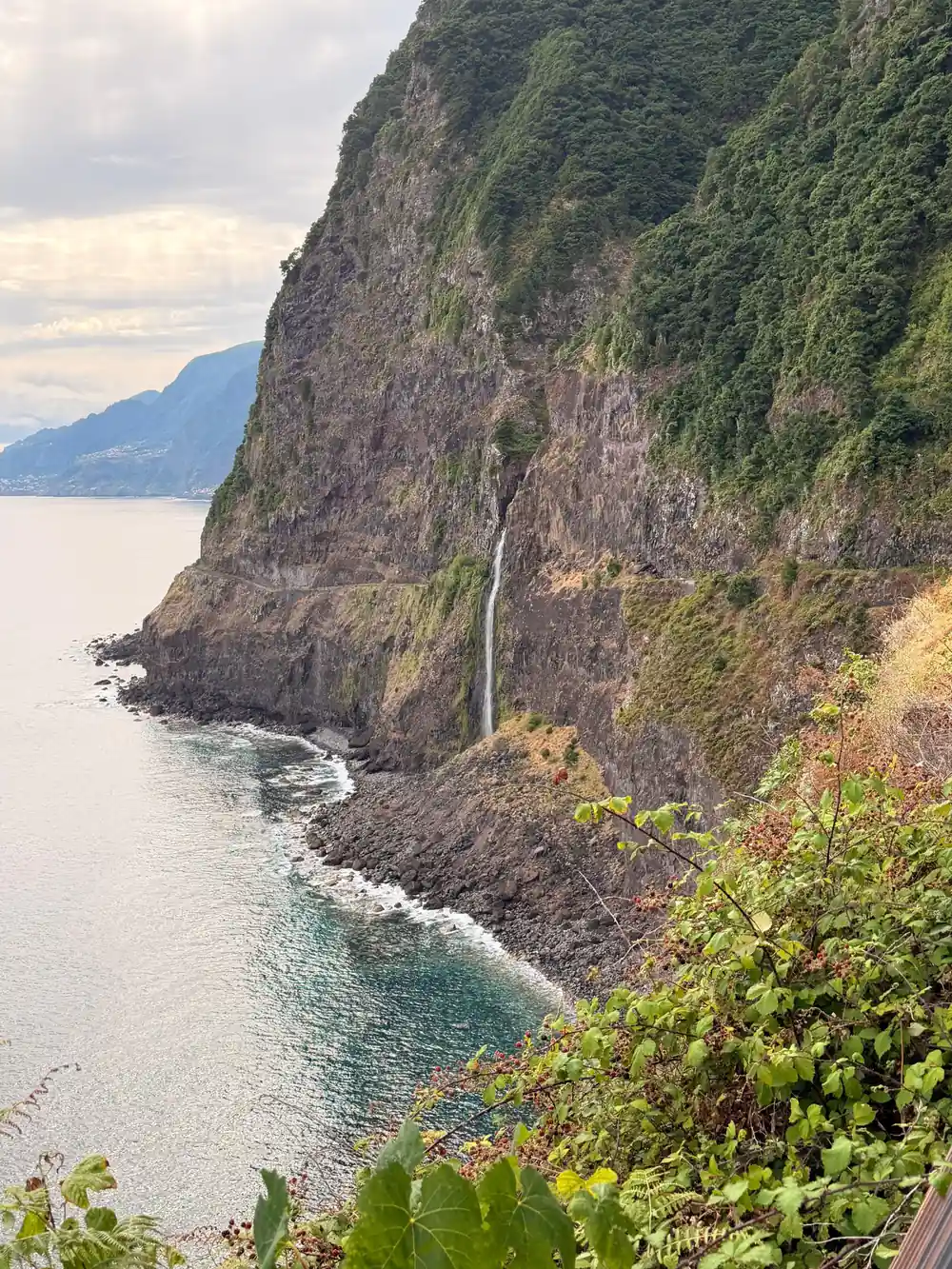
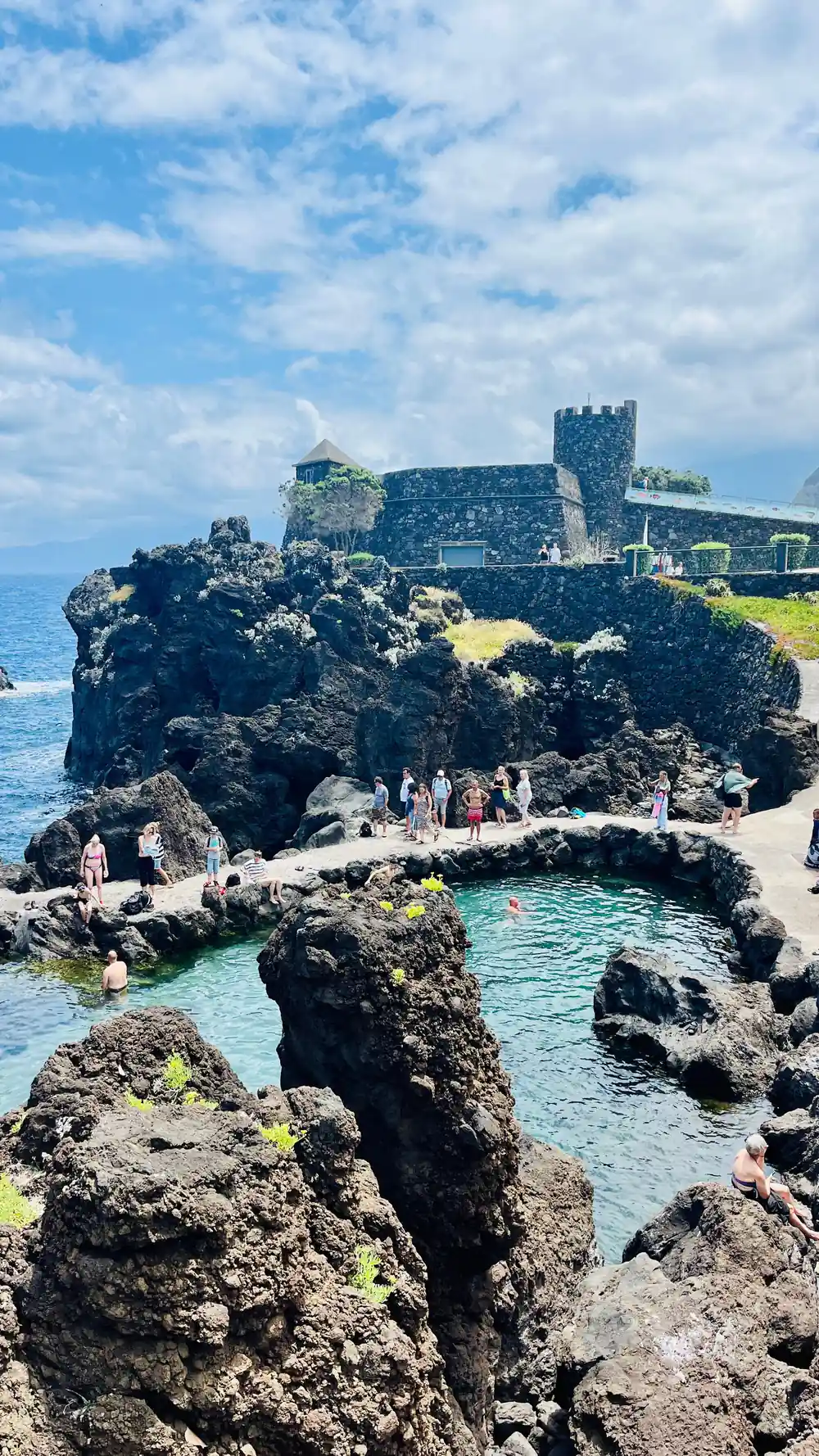
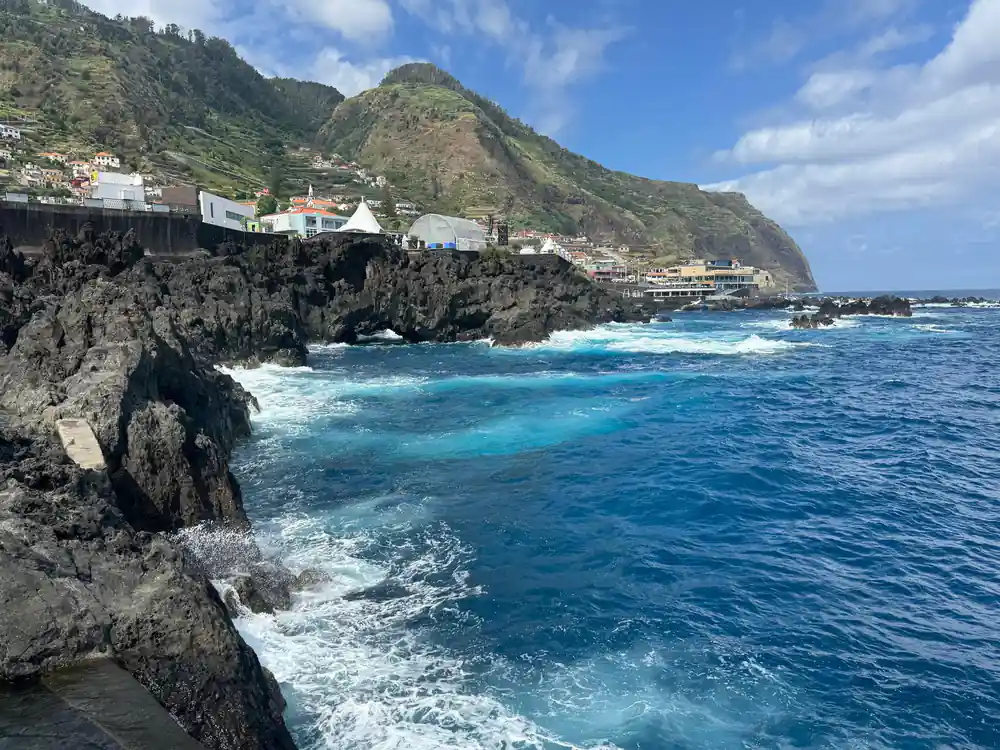
The water on the coast is very different. At Porto Moniz the natural swimming pools have a lounging area of approximately 3,217 m2 and a swimming area of 3,800 m2 that is 2 metres deep, holding around 7,600 m3 of seawater.[12] The tour booked here reaches Seixal and Porto Moniz before climbing to Fanal, with the Véu da Noiva viewpoint and Ribeira da Janela along the way.[1] Pack a swimsuit and a towel if you fancy a dip, and keep the camera out for black lava rock, white spray and the green hillside above the pools.
Photographers' Fanal: Light, Mist and Myth
Fanal is at its best for photography in flat, soft light, which means mist and cloud are friends rather than enemies. The classic image is a single bent tree standing in white, and Fanal witch tree photos are the ones to aim for: one trunk, one clear branch line, and nothing else in the frame. A lens cloth and a dry bag are worth packing, since the air is wet and mist can turn into drizzle without warning. Arrive when the light is low, find a tree with a clean background, and then wait.
Myth does a lot of work here. Fanal is presented as a mystical forest, and on a grey day with cloud drifting through the branches, the word fits.[5] The silence helps as well. There is no visitor centre hum, no queue and no sign clutter, just grass, trees, cattle and cloud moving past. The tour booked here allows free cancellation up to 24 hours in advance and runs for 8 hours from pickup to drop-off, so a change in the weather does not have to ruin your plans.[1]
How long west Madeira tours last
Durations as listed on GetYourGuide for these west Madeira tours.[1][2][3][13]
From prices for west Madeira tours
US dollar from prices for these GetYourGuide listings:[1][2][3][13]
When to go through the day
How to plan a Fanal day
Choose your transport
Ride with a guided jeep tour, or drive the mountain road yourself if you are happy with steep bends and changing weather.
Book early
Small-group vehicles have limited seats, so reserve early. The tour booked here offers free cancellation up to 24 hours in advance.[1]
Dress for cloud
Take a waterproof shell, a warm layer and shoes with grip. The grass around the pond and trees stays wet for much of the year.
Bring a camera
Mist moves fast, so pack a lens cloth and a dry bag. Early and late light through the til trees is the reward.
Add the coast
The tour booked here links Fanal with the Cabo Girão Skywalk, Seixal and Porto Moniz on an 8-hour day.[1]
See the Fanal forest on a west Madeira 4WD day
from US$80Reserve now & pay later